
As African countries compete for visitors, investment and global visibility, one of the continent’s fastest-growing assets may not be its wildlife, beaches or luxury hotels. It may be its creatives.
From musicians and filmmakers to festivals, fashion, digital content creators and cultural experiences, Africa’s creative economy is steadily emerging as an important pillar of destination marketing and tourism development.
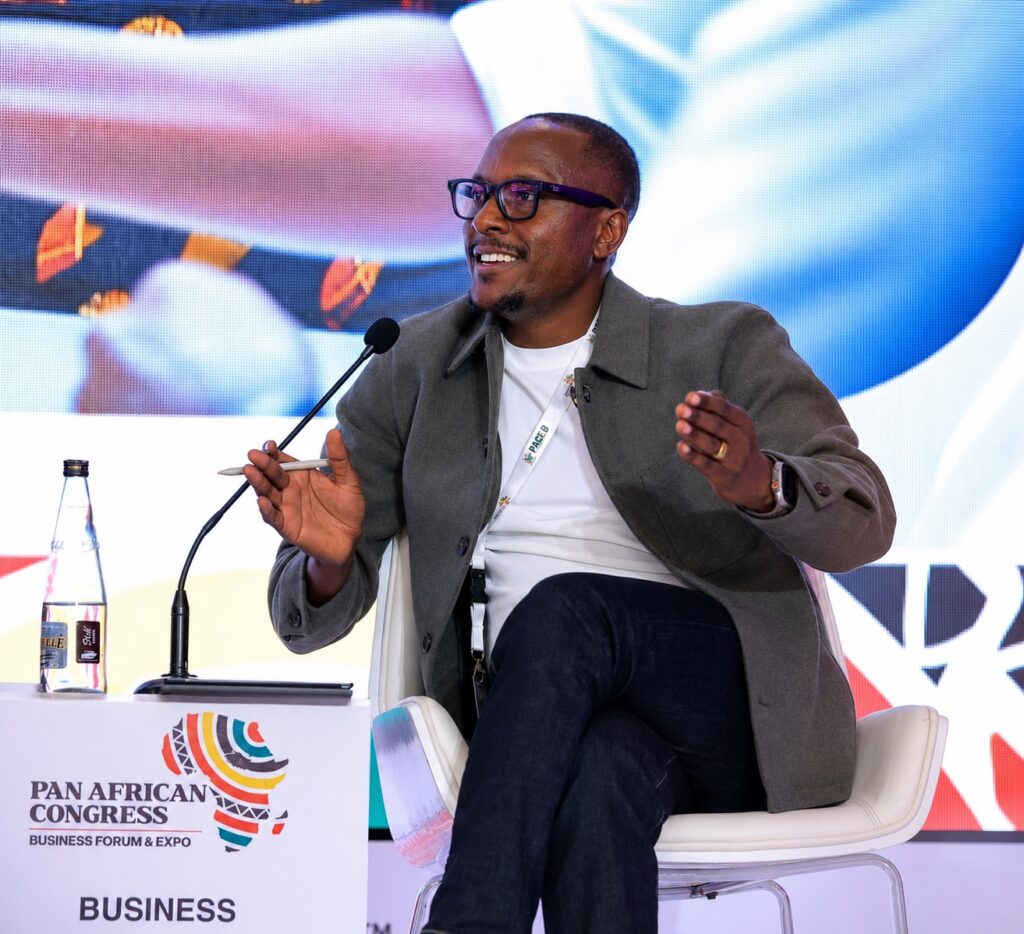
Few entrepreneurs understand this convergence better than Uganda’s Julius Kyazze. The founder of Swangz Avenue and Live54+ believes Africa’s creative industries should no longer be viewed simply as entertainment but as infrastructure that attracts travellers, creates jobs and builds stronger regional economies.
“We don’t have a shortage of talent,” Kyazze says. “We have a shortage of business structures behind the talent.” His observation comes at a time when tourism across Africa is evolving beyond traditional safari circuits and beach holidays.
Travellers are increasingly seeking festivals, concerts, food, fashion, heritage and authentic cultural experiences that connect them with local communities. That shift presents an opportunity for African destinations.
For decades, tourism marketing across much of Africa has centred on wildlife, landscapes and heritage sites. While these remain invaluable assets, destinations are beginning to recognise that visitors increasingly travel for experiences.
Music festivals in Rwanda and South Africa, cultural celebrations in Ghana, fashion weeks in Nigeria and creative districts in Kenya have demonstrated that culture itself is becoming a travel motivator.
These events generate hotel occupancy, airline traffic, restaurant business and local spending while projecting a country’s identity far beyond its borders. For Kyazze, the opportunity lies in building businesses that connect these experiences across Africa.
Building regional creative infrastructure
Through Live54+, Kyazze is attempting to build an integrated ecosystem capable of supporting artists, brands, festivals and campaigns across multiple African countries.
“We want creatives to operate across Africa without borders,” he says. “We want to make it possible for brands, campaigns and artists to move seamlessly across the continent.”
His vision mirrors broader continental ambitions under the African Continental Free Trade Area, where reducing barriers to trade is expected to benefit not only goods and manufacturing but also services, culture and tourism.
An artist touring five African cities contributes to airline traffic, for instance a regional festival fills hotels, a digital campaign promotes destinations to millions of potential travellers and the creative economy increasingly intersects with tourism at every level.
One of Africa’s biggest challenges remains skills development. Despite growing demand for digital storytellers, filmmakers, photographers, designers and content creators, employers continue to report shortages of industry-ready talent.
Kyazze believes traditional education has yet to respond adequately. “The question shouldn’t be whether someone has a degree,” he says. “The question should be, ‘What can you do?'”
His own academy has demonstrated that practical, industry-focused training can quickly translate into employment, suggesting that creative education may become increasingly important as tourism businesses embrace digital marketing and experience design.
Creativity sells destinations
The global tourism industry has long understood the power of storytelling.
Films have transformed destinations into bucket-list experiences. Music has inspired travel.
Social media creators now influence travel decisions as much as traditional advertising campaigns. Africa has no shortage of compelling stories. What has often been missing is the infrastructure to package, distribute and commercialise them consistently across markets.
“There is no shortage of creatives,” Kyazze says. “There is only a shortage of people who build the business behind the creatives.” That insight may prove increasingly relevant as tourism boards invest more heavily in destination branding through digital content and cultural experiences.
A business opportunity
For investors, the convergence between tourism and creativity presents new commercial opportunities. Hotels increasingly partner with local artists, destinations commission creators to tell authentic stories, festivals drive visitor arrivals and ontent creators become tourism ambassadors.
Rather than operating in isolation, tourism, hospitality and the creative industries are becoming mutually reinforcing sectors. That evolution requires entrepreneurs capable of building scalable businesses rather than isolated creative projects.
Looking inward
Perhaps Kyazze’s most compelling argument is that Africa should first become its own marketplace. Instead of measuring success by recognition abroad, he believes the continent should strengthen its own creative and tourism ecosystems.
His long-term ambition is to help create dignified employment for 500,000 Africans through creative enterprises while enabling talent to build careers across African markets.
For tourism, the implications are significant. The destinations that succeed in the coming decade may not simply be those with the most spectacular attractions, but those that invest in the people, stories, festivals and creative enterprises that bring those places to life.
As Africa reimagines tourism for a new generation of travellers, the creative economy may well become one of its strongest competitive advantages.