
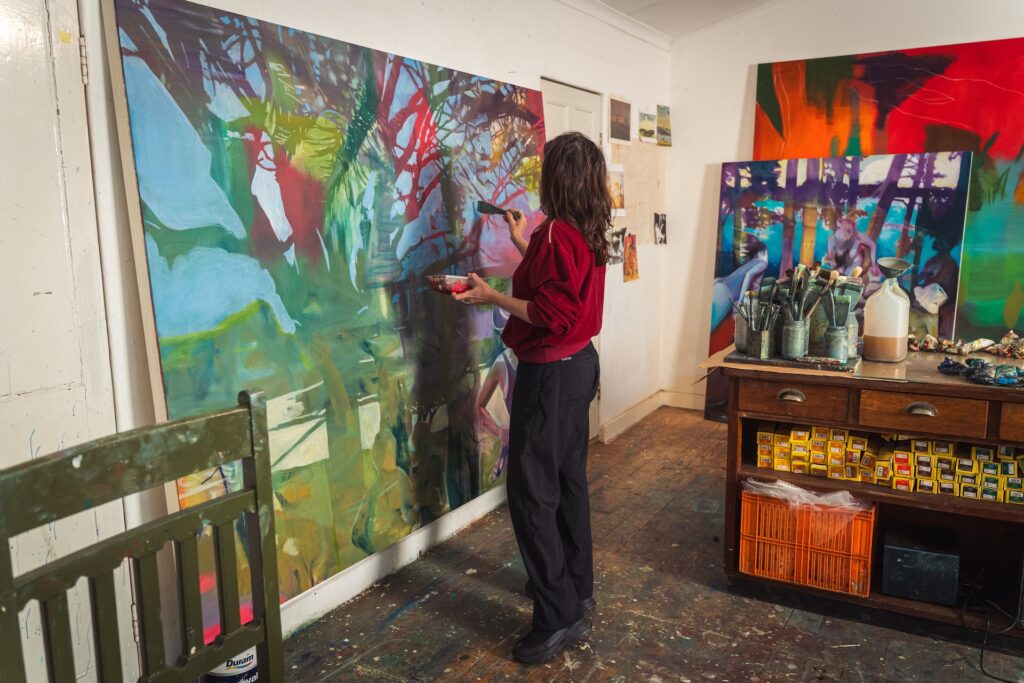
In Cape Town’s Tokai district, the Norval Foundation is redefining what an art museum can be, combining exhibitions, sculpture, education, events and family-oriented experiences within a single cultural destination.
Speaking to VoyagesAfriq, Johann Vogel of the Norval Foundation described the institution as more than a conventional museum. With dedicated exhibition galleries, a sculpture garden, learning facilities and flexible event spaces, the Foundation has built an ecosystem in which art is not simply displayed, but experienced, discussed and brought into the everyday lives of visitors.
“We are an art museum with 10 dedicated areas for art exhibitions, galleries,” Vogel explained, stressing that the Foundation operates differently from a commercial gallery. “We’re not a gallery, so we’re not allowed to trade in art.”
That distinction, however, has allowed Norval Foundation to develop another dimension to its work. Its galleries can be transformed for conferences, launches, weddings and other events because the artworks can be moved when necessary to create space.
“At heart, we also have a learning centre,” Vogel said, describing what he considers one of the Foundation’s most important contributions. Rather than waiting for young people to discover the museum, the Foundation actively goes out to them.

Johann Vogen of the Norval Foundation
“We actually pick the kids up from where they are and bring them here for an hour and a half, two hours,” he said, referring to the art education programmes offered through the Learning Centre. “That’s fully sponsored and we are very grateful to be able to do that.”
According to Vogel, the programme reached 31,000 children between 2022 and 2025, giving young people an opportunity to encounter art and the museum environment who might otherwise have had little or no access to either.
The Foundation’s current programmes similarly emphasise access to African art and creative education. Its Learning Centre provides school tours, workshops and hands-on programmes designed to encourage creative thinking and engagement with African art.
From private vision to cultural gift
The story of Norval Foundation is also one of a private vision evolving into a significant cultural institution.
Vogel explained that the Norval family initially envisioned a relatively small and intimate gallery in Cape Town. That idea eventually developed into the purpose-built institution that stands today.
“The small intimate gallery that this original idea turned out into this massive custom-built property,” he said, describing the transformation as part of the family’s “journey, part of their purpose, part of their investment in art in South Africa.”
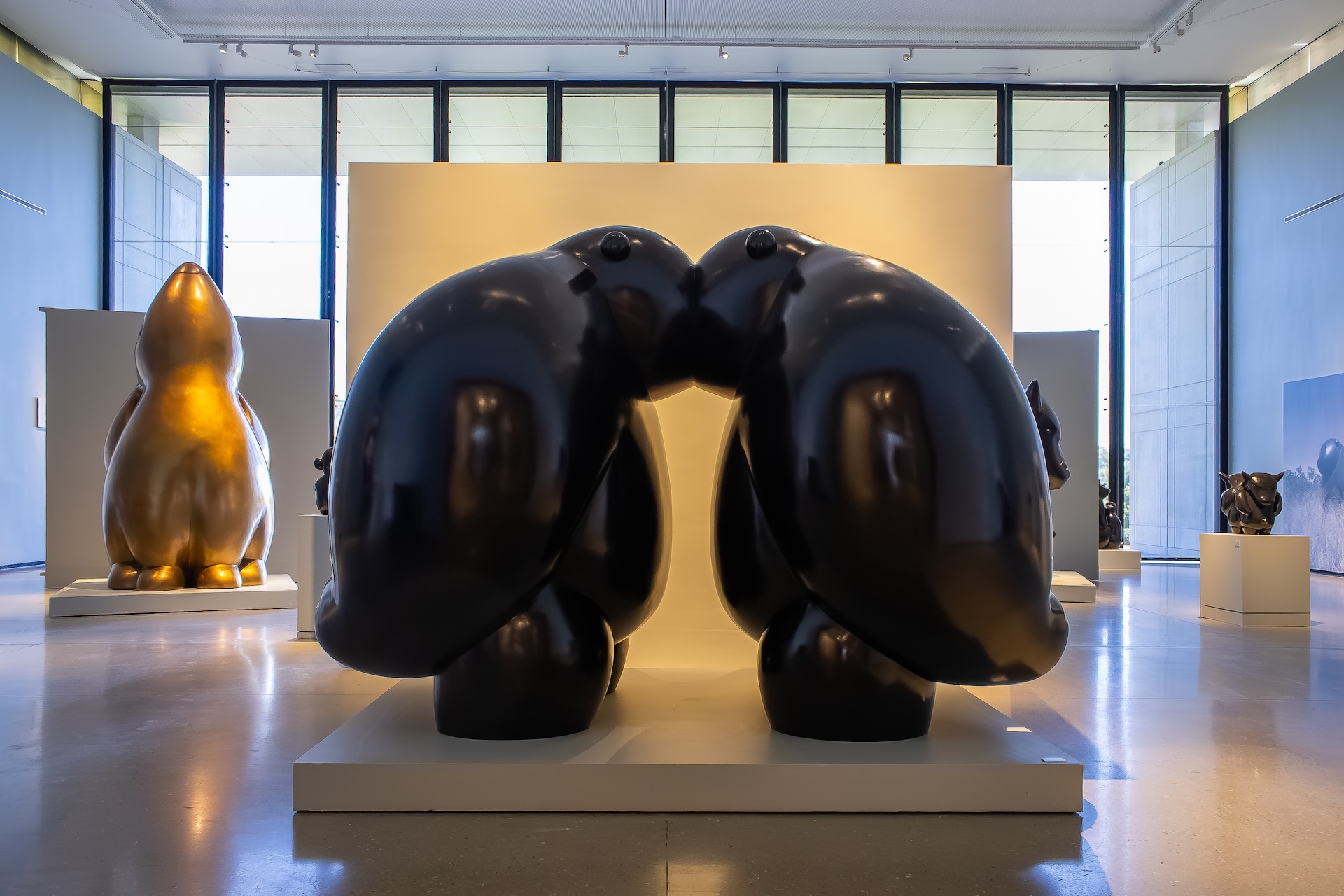
Image Credit: Brett Murray, Norval Foundation
But there was a broader social motivation behind the investment.
Vogel pointed to what he described as South Africa’s limited museum-going culture and the lack of substantial economic and financial support for museums. Against that backdrop, he sees Norval Foundation as a cultural contribution to Cape Town rather than simply a private art project.
“This is actually a social cultural gift to Cape Town where we share as much as possible from South African and African art and artists in the best way possible,” he said.
That mission aligns with the Foundation’s stated focus on modern and contemporary art from Africa and the African diaspora, while positioning artists and their work within a wider global art-historical conversation.
Where art meets nature
One of Norval Foundation’s defining characteristics is its combination of indoor galleries and an expansive outdoor Sculpture Garden.
For Vogel, this combination is central to the institution’s appeal.
“I think when comparing us with other event spaces, the uniqueness really ties in the fact that we’ve got an inside and outside experience,” he said. “So the Sculpture Garden outside is an amazing experience on its own, it’s actually an art exhibition on its own physically.”
The Sculpture Garden provides an outdoor extension of the museum experience, bringing together art, landscape and architecture. The Foundation describes the garden as a space showcasing three-dimensional works by artists from South Africa and across the continent.
This creates opportunities for visitors to encounter art in ways that extend beyond the traditional gallery visit. Norval Foundation hosts outdoor programmes including garden days, picnics, theatre and film experiences, as well as other family-oriented activities.
“We try and make your experience different to the other experiences,” Vogel said. “It’s all-inclusive and it’s family-oriented. We really, really focus on the family.”
The approach is particularly significant in the context of Vogel’s argument that museums need to become places where people feel comfortable and included rather than institutions reserved for a narrow cultural elite.
“We’re unique, not exclusive,” he emphasised. “We don’t really like the word exclusive because then you exclude someone.”
Creating space for new experiences
The Foundation’s flexible approach also extends to its event and experiential programming.
Vogel pointed to an upcoming fashion show that would simultaneously function as an exhibition, illustrating the institution’s interest in bringing different creative disciplines into conversation.
“It starts, it’s built-up next week. So, all the heirlooms, it’s based on what would I buy that I would pass down to my daughter and her daughter and daughter,” he explained.
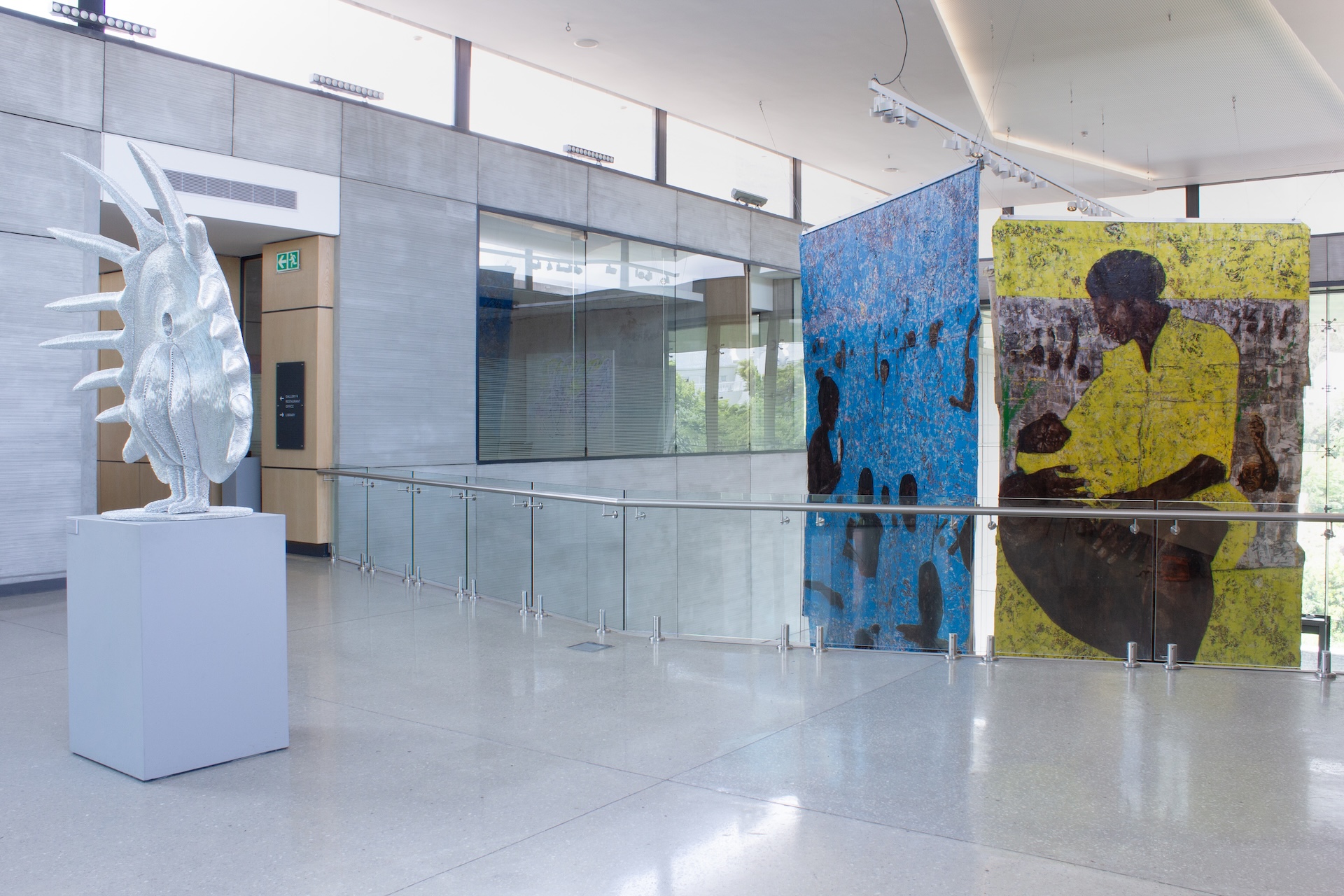
The Foundation is also expanding the range of spaces available for events, including a former restaurant area that can be hired as a venue and retains access to two potential kitchens.
“We try and keep up with being unique,” Vogel said.
The venue offering currently includes galleries, a library, amphitheatre and Sculpture Garden, with spaces suitable for everything from intimate gatherings and dinners to conferences, weddings, performances and larger events.
Giving young people permission to dream
Yet perhaps the most consequential aspect of Norval Foundation’s work lies beyond its exhibitions and events.
For Vogel, the Learning Centre is ultimately about opening up possibilities for young people—not merely teaching them how to appreciate a painting or sculpture.
The Foundation introduces learners not only to artists, but to the wider ecosystem behind museums and the art world, including curators, collections and the processes through which art is presented and preserved.
“What we try and do is expose the youngsters or the people that we speak to in such a way to this is how a museum works, this is how art collection works, this is how curation works, this is the value proposition,” he said.
The intention, he added, is to make the experience practical and relatable.
“We’d like to give them the opportunity to dream big, to experience what creativity can come into,” Vogel said.
Artists who exhibit at the Foundation are sometimes brought into the educational process, allowing learners to hear directly from practising creatives.
“We’re involved to a great extent [with] some of the artists that exhibit here as well, to sit down in some of the sessions to explain to them, ‘I was once where you are, this is where I’m now,’” he said.
For Vogel, this personal connection is critical because the message extends beyond becoming an artist. It is about helping young people imagine possibilities for themselves and understand that creative industries involve a much broader range of professions and opportunities.
“So, we try and make it as practical as possible,” he said, “not just from a creative thought point of view, but from a being able to dream big and do big as well.”
That philosophy perhaps best captures what makes Norval Foundation significant within Cape Town’s cultural landscape. It is a museum, but also a learning space, a public gathering place, an event destination and an entry point into the world of African art.
Its broader proposition is that art should not remain behind gallery walls. It can become a tool for education, a catalyst for creativity, a bridge between generations and a reason for families and visitors to experience Cape Town differently.
And in an environment where access to arts education remains unequal, Norval Foundation’s attempt to combine cultural preservation with practical access and youth development gives its role a significance that extends well beyond the museum itself.