
Essence of Africa’s Market Buzz session finds that US travellers are taking longer to book, while buyers from Latin America want more support in selling African travel.
Affluent US travellers are continuing to spend on African holidays despite economic uncertainty but getting them to commit to a booking is becoming more difficult. They are scrutinising prices, asking more questions and expecting greater flexibility, according to travel trade specialists speaking at Essence of Africa 2026 in Zanzibar.
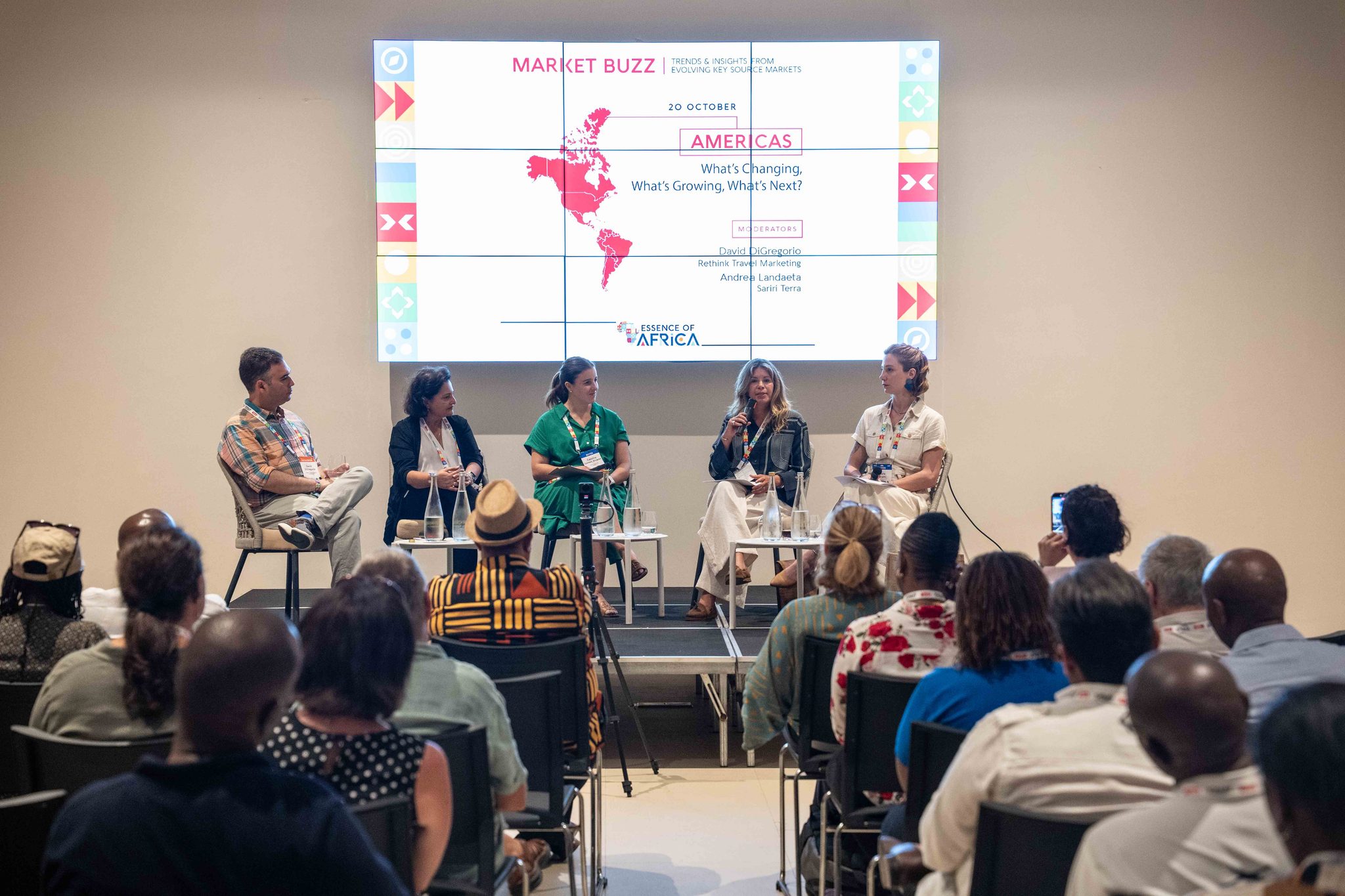
The findings emerged during the Market Buzz: Americas session at Diamonds Bijoux on 20 October, which examined changing booking behaviour in North America and opportunities in Brazil and Mexico.
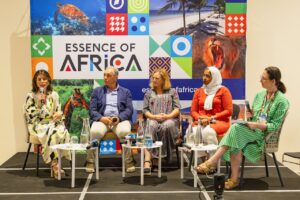
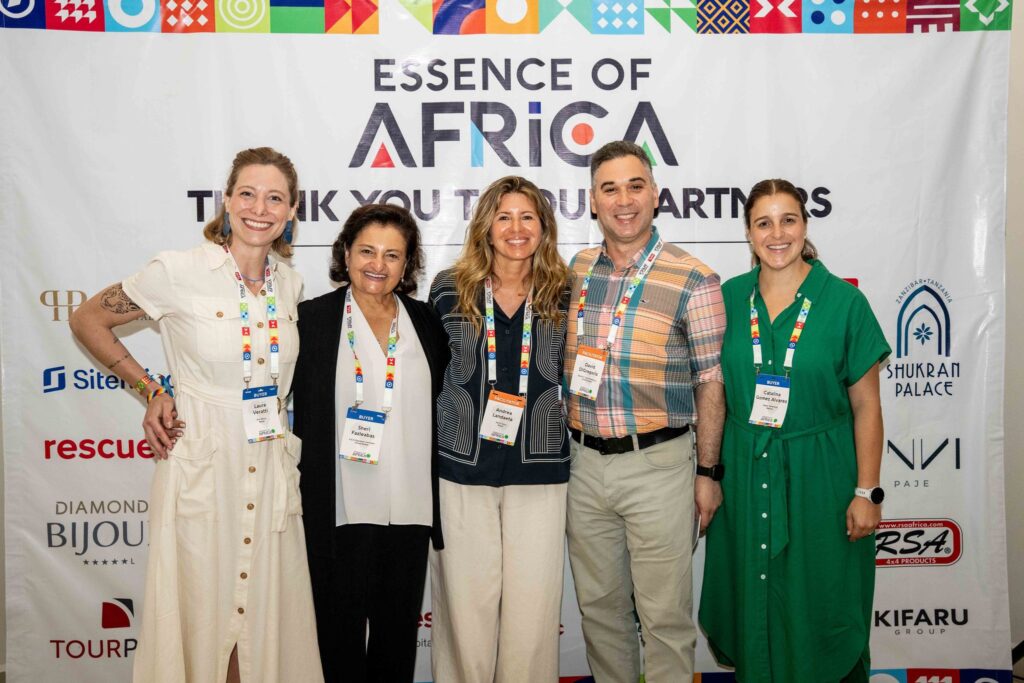
The session was co-moderated by David DiGregorio, Partner and Co-founder of Re•think Travel Marketing, and Andrea Landaeta of Sariri Terra. They were joined by Sheri Fazleabas, President and Founder of A&S Signature Journeys in the United States; Laura Veratti, Co-founder of Viin África in Brazil; and Catalina Gómez, Office Manager and Luxury Travel Advisor at Viajes Terranova in Mexico.
US travellers are taking longer to decide
Drawing on the latest edition of The Horizon Report, a quarterly North American travel market intelligence publication from CornerSun, DiGregorio described a growing disconnect between how American consumers feel about the economy and how they behave.
Consumer confidence is weak, with concerns about household budgets, global conflicts and unpredictable airfares. Yet Americans, particularly affluent travellers, are still travelling internationally. The difference is in how they make decisions. Clients want more reassurance, are examining value more carefully and are taking longer to commit.
For Fazleabas, who specialises in luxury African travel, the change is evident in what clients ask before booking. “They just don’t say, ‘I wanna go on safari.’ There’s more depth,” she said. Travellers want to understand the experiences they will have, including cuisine, culture and wildlife. A conventional itinerary listing lodges and overnight stays is no longer enough.
Fazleabas said the booking process may take longer, but once clients decide to travel, they are generally willing to pay their deposits. Price is not necessarily the deciding factor. Clients may be prepared to pay more for accommodation in private conservation areas or private vehicles, provided the adviser explains what they are getting for their money.
Flight uncertainty is another concern. With clients sometimes booking 11 months ahead, schedules can change several times before departure. Fazleabas recommended building flexibility into itineraries, particularly on arrival days, rather than scheduling activities immediately.
Fast responses can win business
One of the strongest messages for African suppliers was the importance of responding quickly to enquiries. Asked whether she would rather work with a supplier offering a better product or one who was more responsive, Fazleabas chose the latter. “More responsive. It’s the most important thing for our market.” She explained that US clients increasingly expect answers on the same day. Suppliers who take longer than 24 hours to respond can make it difficult for advisers to meet those expectations.
Product knowledge also influences booking decisions, particularly when advisers recommend destinations their clients may not know. Fazleabas described persuading clients who had requested a well-known safari park to visit South Luangwa in Zambia instead. She explained the experience and showed them images. The clients agreed to change their plans. She encouraged suppliers to provide advisers with detailed product information and visual material. Virtual property tours are particularly valuable when advisers have not visited a destination themselves.
Transparency also helps build trust. Fazleabas said suppliers need to communicate safety concerns, weather disruptions and other potential problems, and be prepared to work with advisers on itinerary changes without excessive cancellation penalties.
Latin America: Interest is growing, but education remains important
For Brazil and Mexico, the challenge is different. Travellers are interested in Africa, often after seeing safari experiences on social media or hearing about trips taken by friends, but advisers need to help them understand the range of destinations available and the costs involved.
Introducing the Latin American discussion, Andrea Landaeta said developing business from the region requires long-term relationships and continued investment in trade education. “You cannot expect to come to Latin America maybe for one event or one business sales meeting and immediately have a return on investment,” she said.
Familiarisation trips are particularly useful in giving advisers the knowledge and confidence to sell African destinations. In Brazil, South Africa remains the easiest African destination to sell, according to Laura Veratti of Viin África. “Brazil is a very social media-driven market,” she said. Instagram and recommendations from friends and family influence travel decisions. South Africa benefits from its visibility and its combination of safaris, Cape Town and the Winelands.
Veratti sees opportunities to introduce Brazilian travellers to East Africa, Mauritius and Seychelles. She is also noticing interest in West Africa among clients who want to explore their ancestry and cultural connections. For Catalina Gómez of Viajes Terranova in Mexico, price is one of the biggest barriers to converting interest into bookings. Clients are often surprised by the cost of an African holiday, particularly when comparing it with other international destinations.
Gómez said suppliers could help advisers explain what goes into the price, including transport logistics, conservation fees and the people involved in delivering the experience. “If they understand what they are paying, I think the price is not a problem,” she said.
Veratti agreed, explaining that she spends considerable time discussing the logistics of operating in remote African destinations so that clients understand why their holidays cost what they do.
Both Latin American panellists also challenged the perception of Africa as a once-in-a-lifetime holiday destination. Gómez said Mexican clients often plan an African safari years in advance, believing it will be their only visit. She encourages them to travel sooner because the variety of destinations and experiences often makes them want to return. Veratti reported similar conversations in Brazil, where travellers may know relatively little about what Africa offers beyond its established safari destinations.
Other insights from the Americas
The discussion also highlighted several developments influencing the potential for African tourism in Brazil and Mexico:
Expanding the African travel offer: Veratti sees potential in East Africa and island destinations, while growing interest in West Africa reflects a desire among some Brazilian travellers to explore their ancestry and cultural connections.
Brazil’s growing importance: Landaeta said Brazil was South Africa’s third-largest source market in the Americas in 2025, after the US and Canada. Two airlines connect Brazil and South Africa, with flight times of less than nine hours on the routes discussed. These connections are helping make Southern Africa more accessible to Brazilian travellers.
Mexico’s pandemic travel experience: Landaeta said Tanzania’s accessibility to international visitors during the COVID-19 pandemic introduced more Mexican travellers to Africa. Honeymooners, families and multigenerational groups who visited helped generate word-of-mouth recommendations that continue to influence travel decisions.
Ancestral tourism: Landaeta believes the historical connections between Africa and Latin America could create opportunities for cultural and heritage travel. She recalled recognising similarities between African cultural traditions and the drumming she had experienced growing up in Venezuela.