

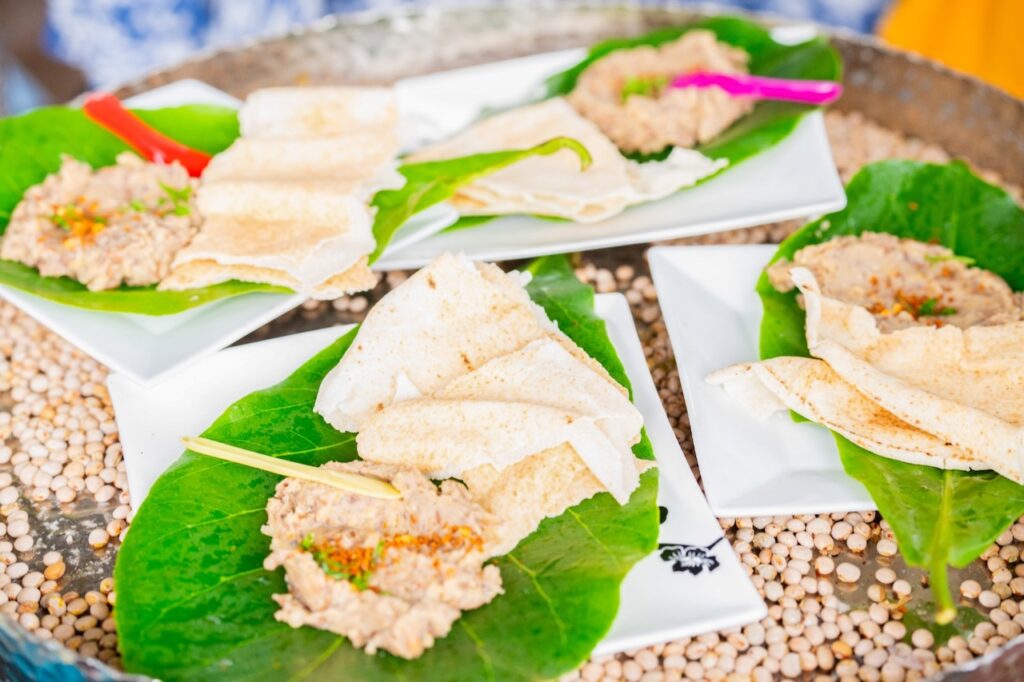
The 3rd UN Tourism Regional Forum on Gastronomy Tourism for Africa will take place from 2–4 December 2026 at the Julius Maada Bio International Conference Centre in Lungi, Sierra Leone. Organised by UN Tourism and the Government of Sierra Leone, the event marks the latest step in Africa’s effort to position gastronomy as a driver of tourism, cultural preservation and local economic development.
More than a gathering of tourism officials and culinary professionals, the forum reflects a broader continental conversation about how African food heritage can be transformed into marketable tourism experiences that benefit communities, producers and entrepreneurs.
Since its launch in 2024, the forum has evolved from promoting gastronomy tourism as an opportunity to examining the tools and policies needed to make it work.
The inaugural forum in Victoria Falls brought together ministers, tourism leaders, chefs and development partners to explore the role of gastronomy in destination development.
Participants called for:
• Greater integration of gastronomy into tourism policies.
• Stronger links between tourism and local producers.
• Investment in culinary education and vocational training.
• Support for innovation and entrepreneurship.
The event also saw the appointment of four UN Tourism Ambassadors for Responsible Tourism and the announcement of initiatives aimed at strengthening culinary education across Africa.
The second forum in Arusha broadened participation and focused on the practical foundations of gastronomy tourism.
Discussions centred on:
• Education and professional skills.
• National gastronomy tourism strategies.
• Product development and destination branding.
• Preservation of traditional recipes and indigenous crops.
• Women’s participation in the sector.
• Sustainable food systems and food waste reduction.
The meeting also reinforced partnerships designed to support skills development and industry growth.
The Sierra Leone edition places greater emphasis on implementation, particularly how African countries can protect, commercialise and scale the value of their culinary heritage.
The programme identifies several areas that are increasingly important for tourism policy and destination development.
A dedicated workshop will examine how intellectual property tools such as geographical indications, appellations of origin, certification marks and collective marks can strengthen African gastronomy tourism.
The discussion reflects a growing recognition that culinary products and traditions are cultural assets that require legal and commercial protection if communities are to benefit from their value.
Another session will explore how gastronomy intersects with crafts, music, festivals, storytelling, design and the performing arts.
The focus moves beyond food itself and considers how destinations can build more immersive cultural experiences around culinary traditions.
The programme also includes discussions on women’s participation across food production, processing, preparation and service delivery.
This reflects growing attention to inclusion and the role of gastronomy tourism in creating opportunities across local economies.
A dedicated panel will examine how farming activities, food production and traditional agricultural knowledge can be incorporated into tourism experiences.
The objective is to explore how tourism can support rural livelihoods while creating authentic visitor experiences.
The forum will also feature the Nourish Salone initiative, which focuses on strengthening local food systems through the production of safe and nutritious food products.
Its inclusion connects the international discussion on gastronomy tourism with Sierra Leone’s broader agricultural and food development priorities.
Sierra Leone’s hosting comes as the country seeks to strengthen its tourism offering through culture, heritage and local experiences.
Its culinary traditions, including cassava leaf stew, potato leaf stew, seafood-based cuisine and local interpretations of regional dishes, form part of a wider cultural tourism proposition that combines food, heritage and community experiences.
The forum’s programme reflects that broader tourism narrative. Alongside conference sessions in Lungi, delegates will participate in technical visits in Freetown, including visits to Tacugama Chimpanzee Sanctuary, Leicester Peak, the Sierra Leone Peace Museum and a street food tasting festival.
The significance of the forum extends beyond food.
UN Tourism views gastronomy tourism as a tool for linking tourism with agriculture, entrepreneurship, culture and community development. The challenge now is not whether African cuisine has tourism value. That case has largely been made.
The question confronting policymakers and industry stakeholders is how to turn culinary heritage into sustainable tourism products that generate income, strengthen local supply chains, preserve traditions and create opportunities for communities.
Zimbabwe started that conversation. Tanzania broadened it. Sierra Leone now hosts the forum at a point when the emphasis is shifting firmly towards implementation.
The real measure of success will be whether discussions on intellectual property, agritourism, skills development and inclusion translate into practical initiatives that strengthen Africa’s gastronomy tourism economy long after the forum concludes.