
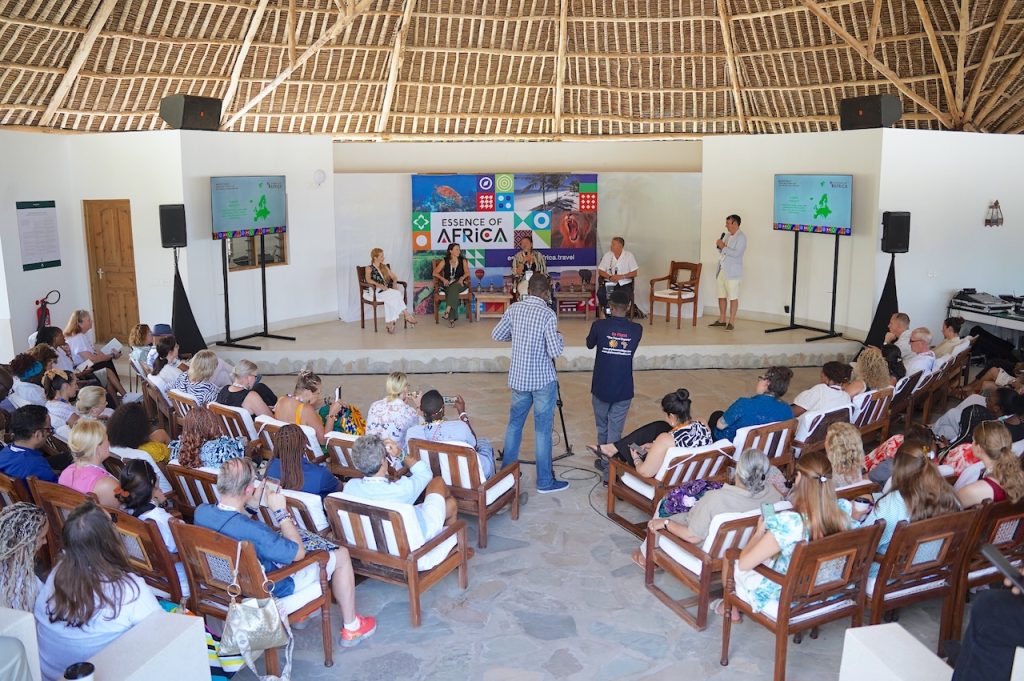
Malindi, Kenya — Day Two at the recently heald Essence of Africa 2025 delivered fascinating insights into one of Africa’s most diverse and promising source markets during a Market Buzz session, revealing everything from evolving travel attitudes in Scandinavia to the meteoric rise of Eastern European travellers.
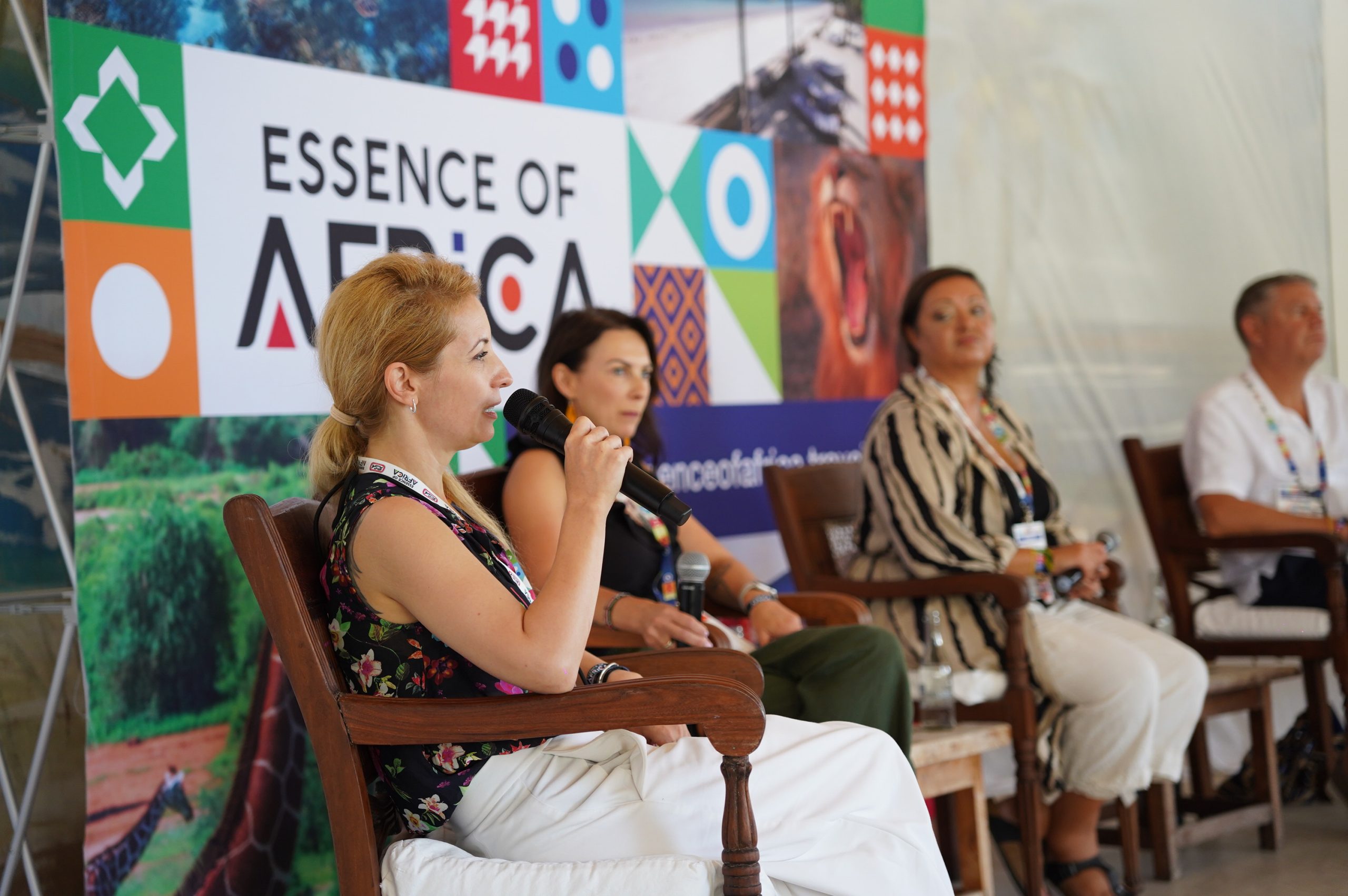
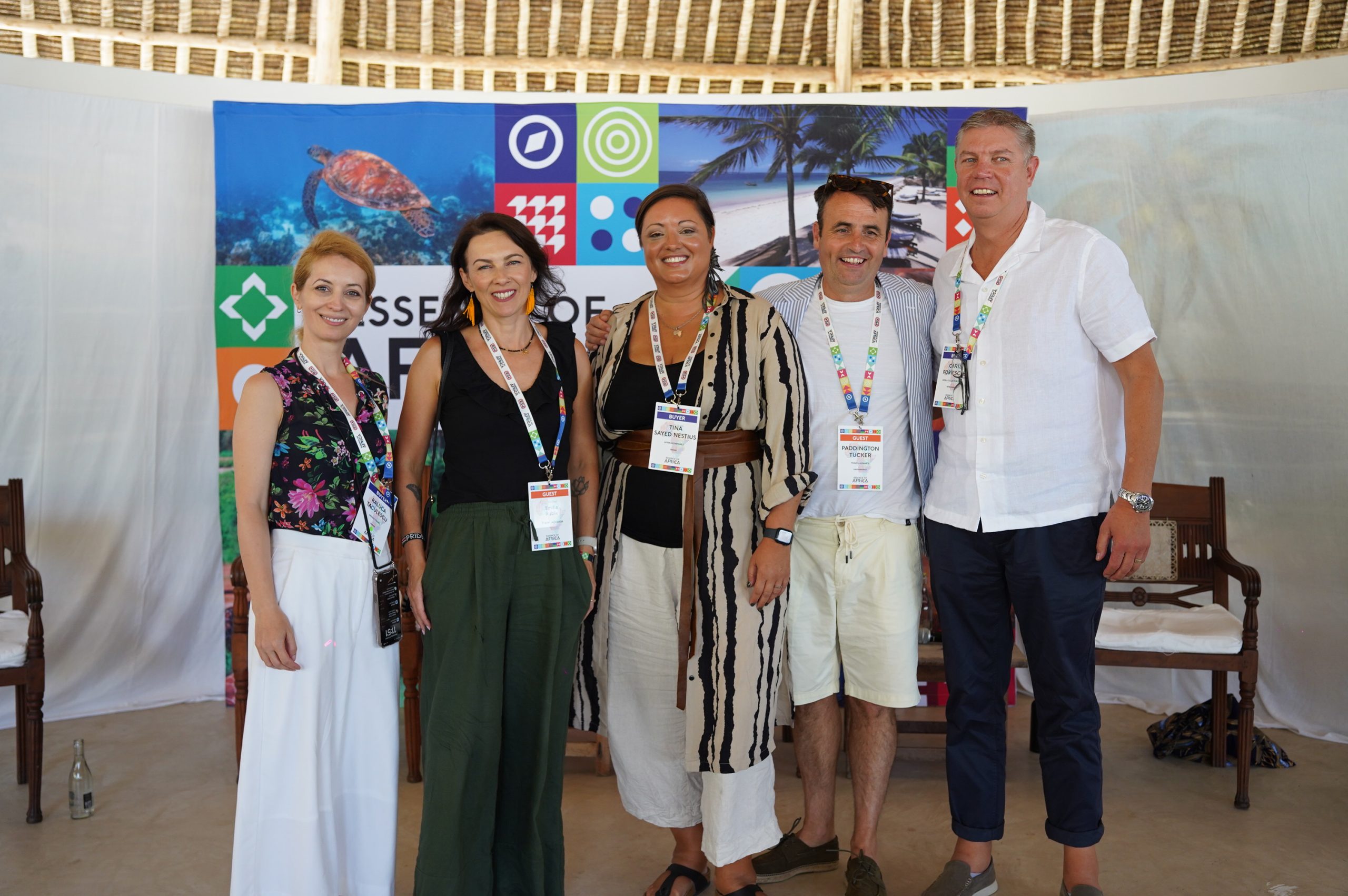
Moderated by Paddington Tucker from Travel Advance, the session featured Emilia Kubik (Travel Advance Poland), Chris Fortescue (Africa Collection UK), Tina Sayed Nestius (Afrikakompaniet Sweden), and Raluca Taculescu (Mianda Travel Romania), painting a comprehensive picture of European travel trends that African operators are perfectly positioned to capitalise on.
The Nordic Evolution: Sustainability Drives Premium Spending
Tina Sayed Nestius opened with insights about the Nordic markets that reveal significant opportunities for operators with strong sustainability credentials. “We have this expression in Swedish — ‘flygskam’ — which means flight shame,” she explained. “But this has actually created opportunities for operators who can demonstrate genuine impact.”
The influence of climate consciousness has transformed how Scandinavians approach long-haul travel. “We have to make them feel good about their travel by marketing sustainable experiences and community payback,” Tina noted. “And they’re willing to pay premium prices for authentic impact.”
Key Nordic Opportunities for African Operators:
• Sustainability messaging is more valuable than luxury amenities: “You can’t sell luxury to a Swede — you can sell sustainability at the exact same price much easier,” Tina emphasised.
• Extended family travel creates larger group bookings: Generous parental leave policies mean families travel together for longer periods, particularly during unique school holidays like the November “autumn break” and February “sports holiday.”
• Premium pricing acceptance for purpose-driven travel: While budget-aware, Nordic travellers invest significantly in authentic, sustainable experiences that support conservation and communities.
• Market segmentation opportunities: Swedes and Danes prefer more adventurous, self-sufficient experiences, whilst Norwegians and Finns appreciate more guided, structured programmes.
Eastern Europe: The Market Everyone’s Talking About
The session’s most exciting revelations came from the Eastern European markets, particularly Poland and Romania, which have emerged as significant growth opportunities that many operators are only just discovering.
Poland: Economic Transformation Creates Travel Boom
Emilia Kubik delivered impressive statistics about Poland’s transformation. “By the end of 2025, Poland will be the 20th largest economy in the world,” she revealed. “This represents unprecedented opportunity for African tourism.”
Poland’s economic resilience — never entering recession during 2008 and barely affected by COVID — has created exceptional travel appetite. “For the first time in post-war history, Poland has disposable income, connectivity, developed travel trade, and positive travel sentiment all at once.”
Polish Market Opportunities:
• Corporate and incentive travel expanding rapidly: Growing 15% year-on-year with over 1,500 incentive trips in 2024. A favourable tax structure allows companies to offset certain incentive travel costs.
• Luxury market acceleration: Expanding 10% annually, with hotel and spa luxury goods growing 70% yearly.
• Active and boutique tourism demand: Smaller groups seeking authentic, transformative experiences represent high-value segments.
• Extended stay preferences: Multi-country itineraries of 14-21 days are becoming standard, creating significant per-client value.
Romania: Enthusiastic Travellers with Serious Spending Power
Raluca Taculescu painted Romanians as ideal African travellers. “Romanians are adventurers who invest significantly in travel experiences,” she explained. “They understand the value of authentic destinations and are willing to invest accordingly.”
Romania’s recent visa-free access to South Africa (implemented in August 2025) has already sparked increased interest. “When Romanians travel to Africa, they want comprehensive experiences. They come here to reconnect and explore multiple destinations.”
Romanian Market Characteristics:
• Extended family travel opportunities: Two-year maternity leave policies enable longer family trips with higher group values
• Multi-destination preferences: Rarely visit single countries, preferring comprehensive African experiences that maximise revenue per client
• Post-pandemic growth trajectory: COVID opened African awareness, starting with Zanzibar and expanding to mainland destinations
• Authentic experience appreciation: Understanding of destination misconceptions makes Romanians particularly receptive to genuine African experiences
Traditional Markets: Continued Strength and Opportunity
Chris Fortescue reinforced the UK’s position as Africa’s most knowledgeable and committed source market. “There’s exceptional knowledge of Africa in the UK because of our historical connections,” he noted. “This creates a stable, educated client base that continues to drive significant business.”
Paddington Tucker concluded with impressive German statistics that demonstrate continued European strength:
• 76% of Germans travel abroad annually
• 7% travel long-haul (nearly 6 million people with substantial spending power)
• Africa bookings up 7% in 2024 vs 2023
• 245,000 Germans visited South Africa in 2024
• Average holiday length of 13 days with 5-6 weeks annual leave
• Over 10% spend €3,000+ on holidays
COVID’s Unexpected Market Development
An encouraging theme emerged around COVID’s impact on Eastern European travel patterns. “Eastern Europeans maintained a pragmatic approach to travel throughout the pandemic,” Tucker observed. “This actually opened African destinations to entirely new markets.”
This practical attitude introduced African destinations, particularly Zanzibar, to completely new client bases. “We’re pragmatic people who understand that challenges create opportunities,” Raluca noted. “This mindset translates perfectly to African travel.”
Strategic Opportunities for African Operators
Tailor Sustainability Messaging for Maximum Impact
• Nordic markets respond exceptionally well to genuine conservation and community impact stories
• Eastern Europeans appreciate authentic experiences that demonstrate real local benefit
• All markets increasingly prioritise purpose-driven travel, creating premium pricing opportunities
Understand Evolving Booking Patterns
• Eastern Europeans prefer longer stays (14-21 days) with multi-country itineraries, maximising revenue per client
• Nordic travellers benefit from comprehensive pre-travel education, creating opportunities for specialist operators
• Corporate and incentive travel represents significant untapped potential, particularly in Poland
Address Market-Specific Opportunities
• Leverage sustainability credentials to overcome travel concerns in Nordic markets
• Capitalise on visa improvements (like Romania-South Africa) for immediate market development
• Position Africa as a diverse continent offering varied experiences for different market segments
Capitalise on Economic Growth Trends
• Poland and Romania represent exceptional opportunity as disposable income continues growing
• Traditional markets (UK, Germany) remain robust despite economic fluctuations
• Corporate travel budgets in Eastern Europe are expanding rapidly, creating B2B opportunities
The session revealed Europe’s tremendous complexity and even greater potential. From leveraging sustainability trends in Sweden to capitalising on Romania’s economic transformation, African operators have diverse opportunities across markets that are increasingly sophisticated and willing to invest in quality experiences.
As Tucker concluded: “Every European market offers unique potential. The key is understanding each market’s personality and motivations, then positioning your offering accordingly. The opportunities are genuinely exciting.”
The European Market Buzz session was part of Day Two programming at Essence of Africa 2025, continuing through 9th October at Diamonds Malindi, Kenya.