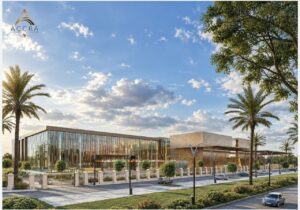

Ghana’s medical tourism proposition is set for a new test on Monday, September 7, when AFRICA’s BRAIN BANK® Global breaks ground for its proposed Medical City in Ada, Greater Accra.
The project is being positioned as a response to one of Africa’s persistent healthcare challenges: patients travelling outside the continent for specialized treatment while African medical professionals and expertise continue to find opportunities abroad.
For the tourism industry, that movement of patients represents a market that extends beyond healthcare. Medical travellers require flights, accommodation, transportation and other destination services, making healthcare an increasingly important part of the wider visitor economy.
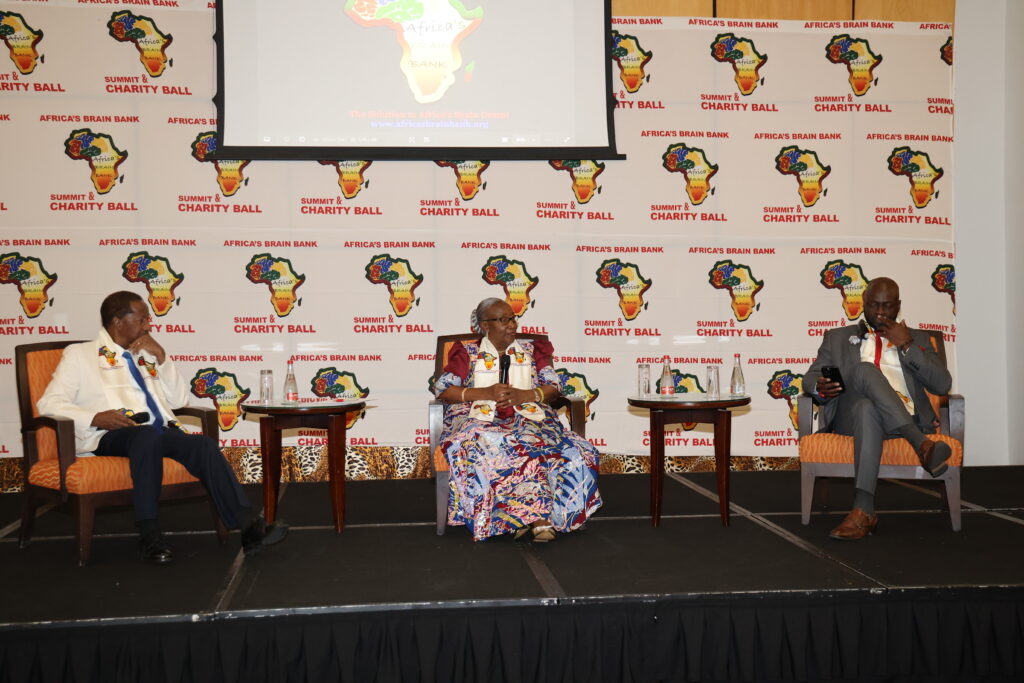
Speaking at the AFRICA’s BRAIN BANK 7th Annual Summit and Charity Ball in Accra on Friday September 4, Dr Michael K. Obeng, Founder and CEO of Miko Plastic Surgery and Miko Pharma, linked the proposed Medical City directly to Africa’s outbound medical travel.
“Same surgeon, same hands, same solvents, different city. This is the brain drain,” Dr Obeng said, reflecting on his own experience as a Ghanaian medical specialist working in the United States.
He argued that the continent’s challenge is not a shortage of talent, but the lack of infrastructure and capital needed to retain and use that talent at home.
“Africa does not have a brain drain problem. Africa has a capital allocation problem that expresses itself as a brain drain,” he said.
Dr Obeng said the Medical City in Ada is expected to provide an environment where patients who might otherwise travel to destinations such as India can receive care closer to home, while creating opportunities for specialists who might otherwise seek careers outside Africa.
He described the proposition as “import substitution in the highest value sector of the continent.”
That proposition has a clear tourism dimension.
A patient travelling to Ghana for treatment is still an international visitor. Depending on the treatment, they may be accompanied by family members and require accommodation and transport for days or weeks. Specialists, investors and other professionals connected to the facility would also generate travel demand.
The location in Ada adds another layer to the proposition. The coastal destination already has a leisure tourism profile, and the Medical City introduces a potential healthcare and investment component to the destination’s visitor economy.
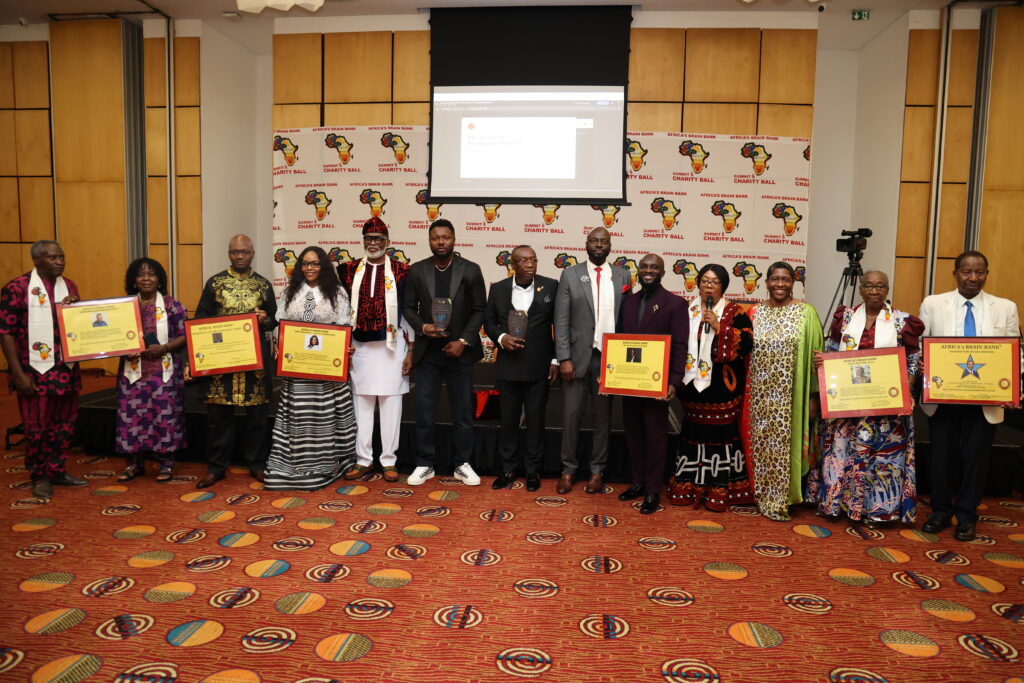
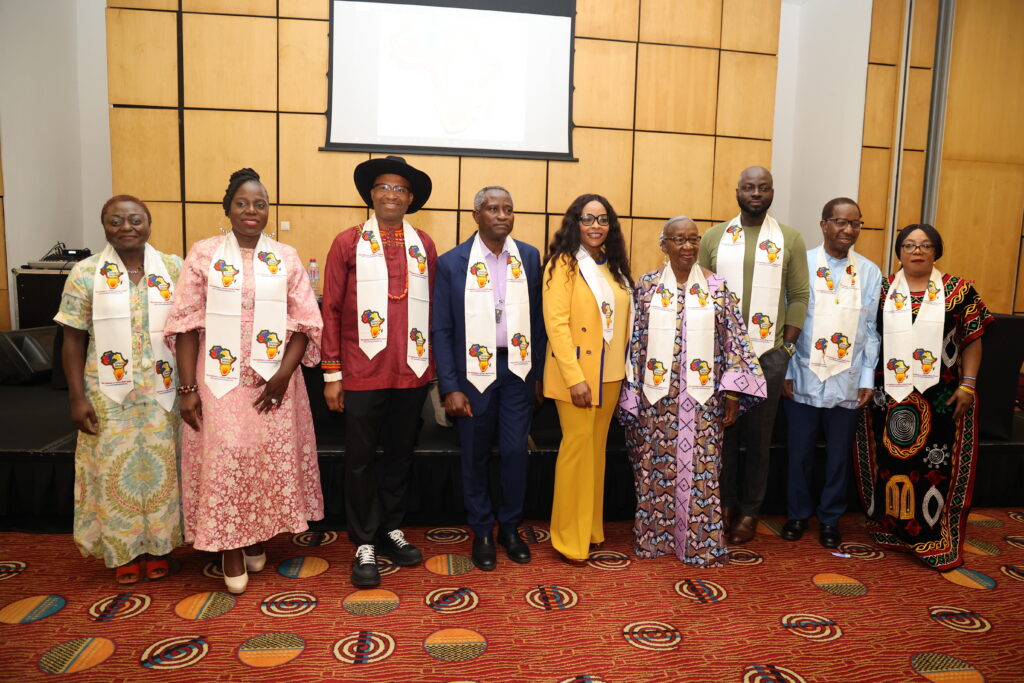
The broader AFRICA’s BRAIN BANK programme has already brought these different strands together. The six-day summit includes the Business-to-Investor-to-Business Market, health symposium, charity gala, a beach retreat, the Medical City groundbreaking and visits to Cape Coast and Elmina.
For the Ghana Tourism Authority, the partnership is part of creating connections between international visitors and the country beyond the conference or business engagement.
Annabelle McKenzie, Director of International Affairs at the Ghana Tourism Authority, represented CEO Maame Efua Houadjeto at Friday’s event and welcomed participants to experience Ghana.
“Having partnerships with organizations such as Africa’s Brain Bank is something that is very important to Ghana,” McKenzie said.
She encouraged delegates to experience the country’s food and culture and connect with its people, while highlighting the need for partnerships that can contribute to Ghana and Africa’s development.
The summit has also placed the African Diaspora at the centre of the Medical City conversation.
Dr Obeng cited Ghana’s US$7.8 billion in Diaspora remittances and proposed that a portion of such funds could move beyond household consumption into ownership of African businesses and projects. He suggested that even one per cent of Ghana’s annual remittances would amount to US$78 million.

For tourism destinations, the significance goes beyond investment. The Diaspora is already an important source of travel to Africa, and programmes that combine business, investment, professional engagement and leisure can create multiple reasons for visitors to extend their stay and experience a destination.
The Medical City therefore sits at the intersection of several sectors that increasingly influence destination competitiveness: healthcare, aviation, accommodation, investment and business events.
Dr Obeng’s call to African professionals abroad also included structured rotations, teaching and telemedicine, rather than simply asking them to relocate permanently.
The immediate focus, however, is Ada.
On Monday, the groundbreaking will move the Medical City from the conference discussion to the construction phase. For Ghana, it will also offer a concrete opportunity to build a medical tourism proposition around a destination that is already part of the country’s leisure tourism landscape.
The question for the tourism sector will be how effectively healthcare, connectivity, hospitality and destination experiences are connected as the project develops.
If successful, the journey to Ada could eventually be about more than treatment. It could bring together patients, families, medical professionals, investors and other visitors within the same African destination.